For years, rap’s next generation was often explained through one dominant location or production style. A city would catch fire, labels would search for similar voices and coverage would announce a new “sound” as though every promising artist had agreed to the same creative plan. In 2026, that shortcut feels especially useless.
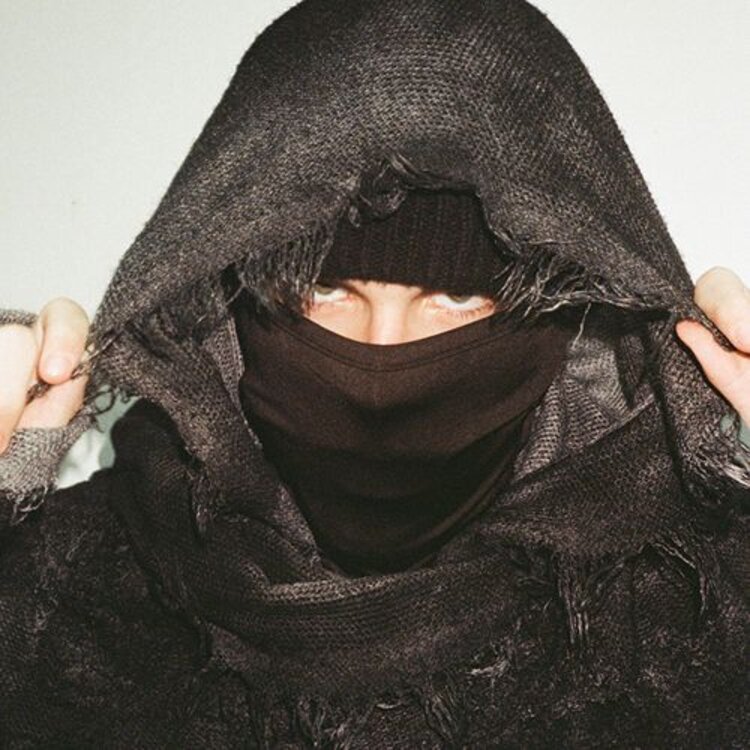
The year’s breakout stories include masked UK experimentation, high-energy Chicago rap, melodic Southern records, globally connected club music and artists whose first real scene was the internet itself. They do not sound like one movement—and that may be the healthiest sign available.
Difference is the advantage
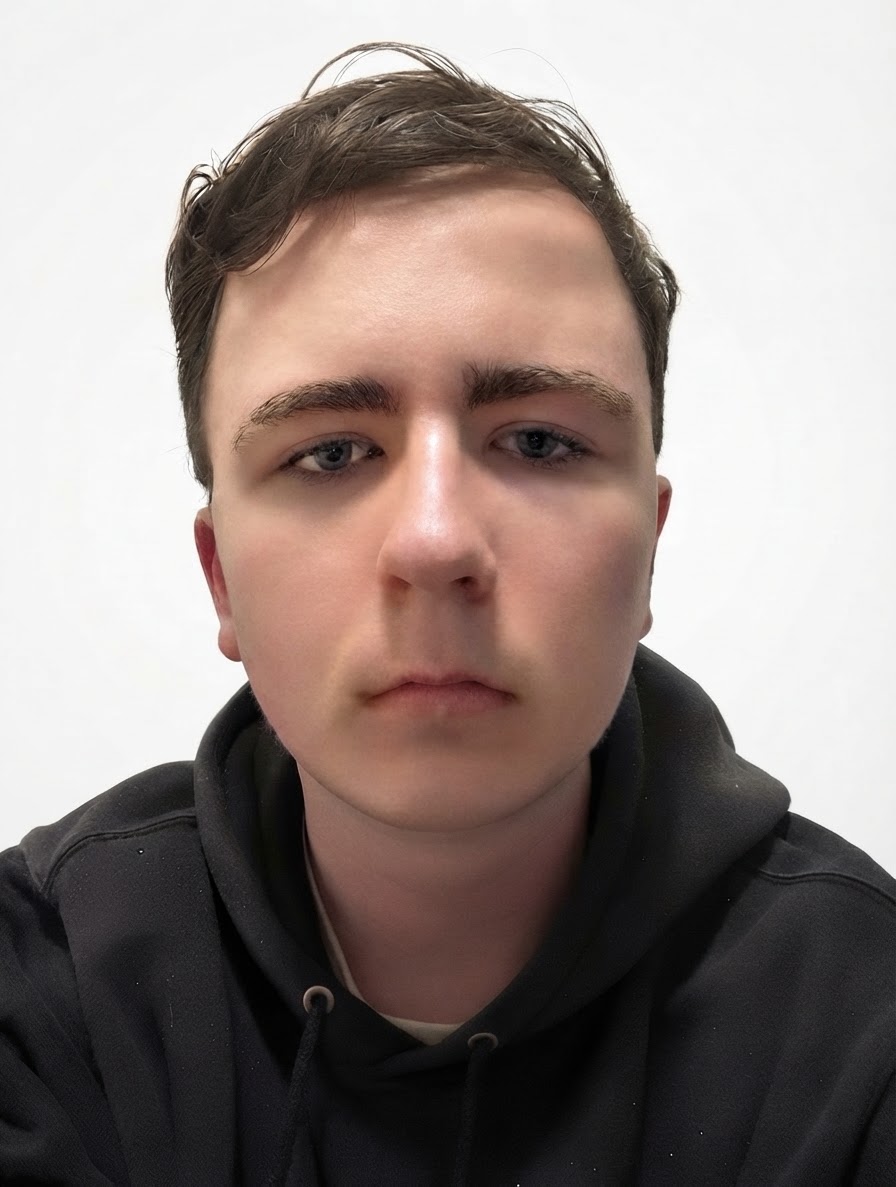
EsDeeKid’s Liverpool-rooted music turns anonymity and distorted atmosphere into part of the experience. BabyChiefDoit approaches attention with a much more explosive Chicago energy, while Fat Papi’s “Freaked Out” uses bright synths, relaxed delivery and a cross-Tasman partnership with Australian-based producer Prodshushy. Put those records beside one another and the idea of a single “2026 rap sound” collapses immediately.
That contrast gives each artist a better chance of being remembered. When too many newcomers chase the same drum kit, cadence and visual identity, listeners may enjoy the songs without learning who made them. A distinct voice—even an imperfect one—is easier to build around than a technically polished copy.
The internet is a bridge, not a genre
TikTok, YouTube, streaming playlists and fan pages can move a song between countries within hours. That shared route sometimes creates the illusion that the artists using it belong to the same scene. They do not. A discovery platform is not a musical identity.
Fat Papi’s breakthrough is a useful example. The record travelled through a UK creator’s haircut video, but its story began with a Kurdish New Zealander and an Australia-based producer. The viral format introduced the song; the unusual cultural and musical combination gave listeners a reason to ask who was behind it.
The artists most likely to outlive a trend are the ones who treat online attention as an entrance rather than a home. A short clip can create curiosity. A catalogue, a live show and a recognisable point of view are what turn that curiosity into a career.
Regional scenes still shape the music
Digital discovery has not erased geography. Liverpool, Chicago, Michigan, Atlanta, Florida, New Zealand and Australia still provide artists with collaborators, slang, rhythms and local audiences before mainstream attention arrives. The internet spreads those ingredients; it does not invent them from nothing.
That distinction matters because regional character is often what gives a record texture. Listeners can hear when an artist belongs to an active creative community rather than a marketing category assembled after one song performs well. Even artists who work primarily online carry the influence of where they grew up and who first supported them.
A wider range of personalities is breaking through
The strongest newcomers are also presenting different versions of what a rap star can look like. Mystery works for some. Humour, fashion, vulnerability or open cultural pride work for others. This is more interesting than a class of artists all copying the same attitude because it performed well in last month’s clips.
There is still pressure to simplify. Labels need concise pitches, platforms need searchable categories and fans naturally compare new names with artists they already know. Those comparisons can help with discovery, but they become limiting when they replace listening. “The next” somebody is usually less compelling than the first clear version of yourself.
What will separate a moment from a career
Breakout coverage is always a snapshot. Some artists on 2026 watchlists will become lasting stars; others may build smaller, sustainable careers or disappear from the wider conversation. Early momentum cannot answer that question.
The next test is consistency without repetition. Can an artist make a second record that feels recognisable without remaking the first? Can they perform beyond a 20-second highlight? Can they develop an audience that follows their decisions rather than one song? Those are harder achievements than a viral spike, but they are also more controllable.
Rap’s future does not need one winner or one sound. It needs artists with enough personality that a listener can recognise them before checking the screen. In 2026, the most exciting newcomers are moving toward that standard from completely different directions. That is not confusion. It is range.

No comments yet. Start a thoughtful discussion.