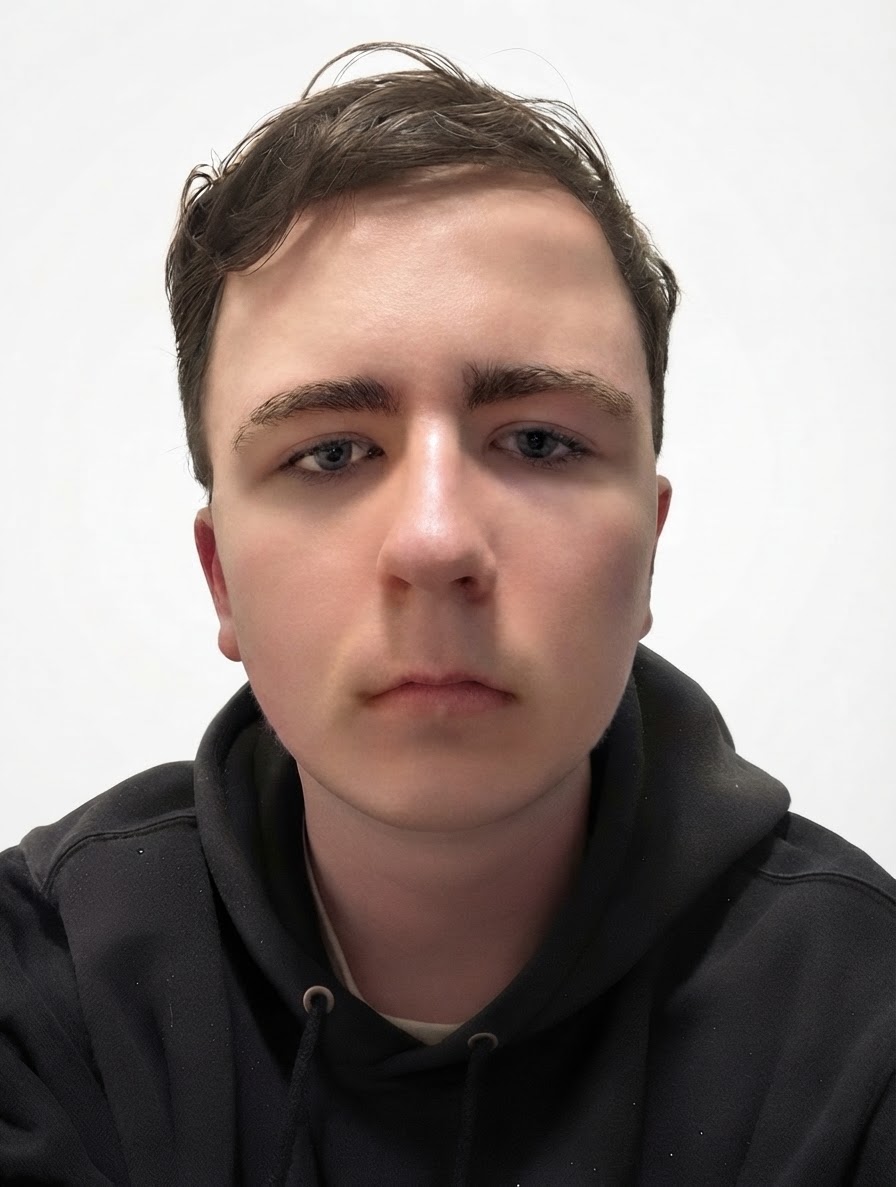

Toronto rap has spent years being described through the shadowy R&B, spacious production and major-label reach associated with its biggest stars. twentythree offers a more restless version of the city. Born in Iran and raised in Toronto from his mid-teens, the rapper-producer combines skeletal street-rap drums, digicore instincts, rave momentum and deliberately rough visual language. His 6ix Pop mixtape and the breakout attention around Queen St make him worth watching, but the deeper story is how he treats the internet and the city as connected local scenes rather than opposite worlds.
Producing changes the way he occupies a beat
Artists who build or deeply understand their own production can write around sounds that would feel awkward to someone waiting for a conventional verse slot. twentythree’s records use clipped bass, sudden empty space and electronic textures that suggest movement without becoming polished dance-pop. His delivery can sit behind the beat and then push forward, creating tension between a detached voice and energetic production. The contrast gives the music its personality.
Toronto appears as community, not branding
Coverage from Pitchfork and Complex describes the importance of his Greezy Gang circle and the networks surrounding Too Many Strikers. That matters because underground growth is rarely the work of one isolated upload. Friends appear in videos, producers exchange ideas across borders and local audiences test songs before a wider platform notices. Toronto is present through those relationships and locations, not simply through repeated references to the city’s established sound.
The DMV connection shows how scenes travel online
Collaboration with producers and artists connected to the Washington, D.C., Maryland and Virginia underground demonstrates how regional styles now move before artists physically enter the same room. twentythree has developed US-facing connections despite travel restrictions discussed in his profile. The result is not a location-free internet genre. It is a network where specific Toronto, DMV, SoundCloud and rave influences remain audible while files and ideas cross borders quickly.
Visual roughness supports the music—for now
Lo-fi edits, vintage colour and jump-cut energy match songs designed to feel immediate and slightly unstable. That coherence is useful at an early stage because listeners can recognise the world before they remember every title. The risk is turning an aesthetic into a costume. As budgets and audiences grow, the visuals need to develop without losing the sense that the artist is directing the identity rather than following a preset underground filter.
What separates a prospect from a moment
Queen St and the response to 6ix Pop provide attention, not a finished career. The next test is range inside a recognisable identity: songs that work at different tempos, stronger hooks without forced pop structure, and a project sequence that reveals more than surface mood. Live performance will matter too, especially for music drawing from rave energy. If the recorded tension becomes physical in a room, the audience can deepen beyond short clips.
The final word
twentythree is compelling because the influences do not line up neatly. Toronto atmosphere, internet rap, rave culture and minimalist regional production pull in different directions, and he uses that friction rather than smoothing it away. The development to watch is not whether he becomes the city’s next version of an existing star. It is whether he can turn a specific underground language into several great projects without losing the loose, self-made energy that first made it noticeable.
No comments yet. Start a thoughtful discussion.