
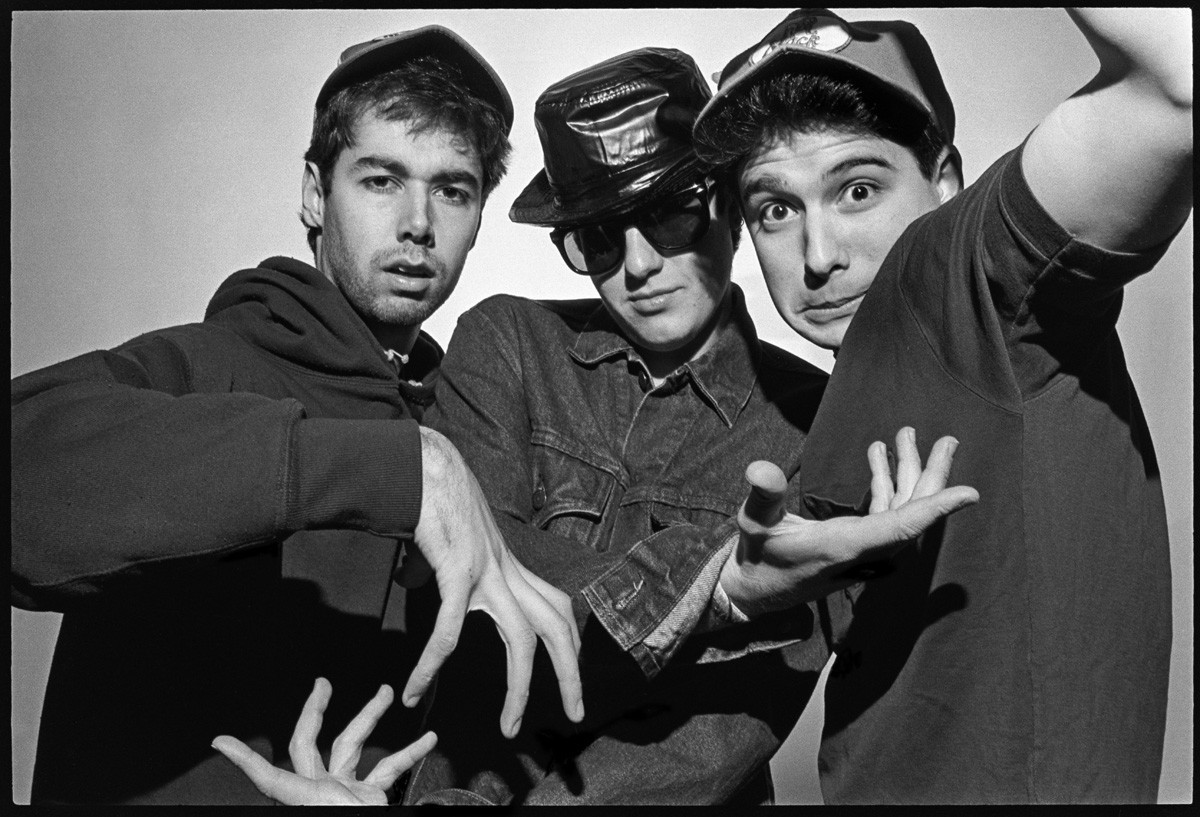
Thank You arrives with an impossible amount of history attached. Michael Diamond’s first solo album as Mike D 5D is also the first new album-length music from the Beastie Boys camp since Adam Yauch’s death in 2012. The project wisely avoids pretending that history can be restarted. It brings Diamond’s sons and a small group of collaborators into an experimental record that values rhythm, texture and curiosity over a polished nostalgia exercise.
A new project rather than a substitute group
The 5D name creates useful distance. Diamond remains instantly recognisable, but the album is not marketed as a replacement Beastie Boys record. That allows rough electronics, guitar fragments and unusual arrangements to operate without constantly recreating a trio that cannot be recreated.
The drums carry the personality
The most persuasive tracks are built around bold breaks and sounds that feel touched, distorted and rearranged rather than selected from a clean menu. Diamond’s voice works as another rhythmic object inside those productions. The approach connects to his past while making the record’s present-tense collaborators audible.
Family involvement changes the emotional frame
Skyler and Davis Diamond contribute to a record about continuation without turning it into a sentimental family scrapbook. Their presence gives Thank You a generational quality: musical habits and curiosity passing forward, but not necessarily in the same form. That is more interesting than asking younger contributors to imitate an earlier era.
Experimentation also creates misfires
The freedom that produces the album’s best moments makes other tracks feel unfinished or overly pleased with an unusual texture. Some writing is lighter than the production around it, and the sequence does not always convert surprise into momentum. Those weaknesses are real, yet they come from risk rather than formula.
The final word
Thank You is not a perfect album, but perfection would almost be the wrong target. Its value lies in hearing a veteran artist refuse the safest version of his own legacy. The result is noisy, personal and occasionally awkward—a credible solo beginning precisely because it does not ask the past to do all the work.
How TheRapReporter approached this story
This article is built from named reporting, official charts or primary industry material available when it was prepared. Facts and attributed claims are separated from TheRapReporter’s analysis. Rankings and reviews are editorial judgments, not measurements of an artist’s worth. Where a subject is still developing, the article avoids converting a possibility into a promise.
That distinction matters in a fast news cycle. A viral post can introduce a useful lead, but it is not automatically evidence. Release dates can move, chart totals describe a particular measurement window, and business announcements rarely disclose every contractual detail. Readers should therefore use the linked sources as the starting point for further reading and return for corrections or updates when the underlying record changes.
No comments yet. Start a thoughtful discussion.