
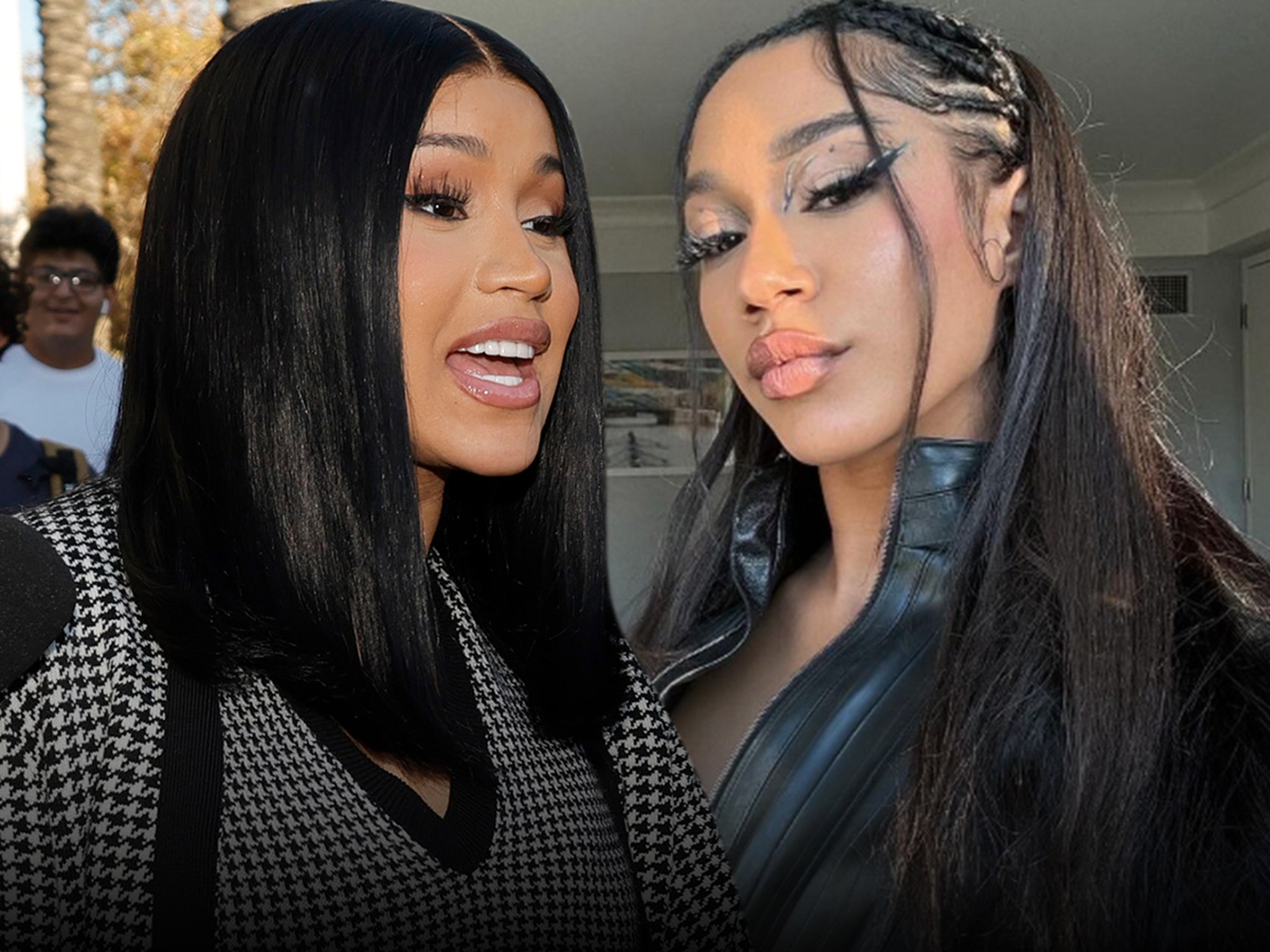
The feud between Cardi B and BIA has never stayed in one place for long. It began with fan comparisons around two songs, moved into guest verses and full diss tracks, and eventually became a stream of livestream comments, posts and personal allegations. In August 2026, another public exchange brought the conflict back into view.
That history makes the story easy to oversimplify. The music is verifiable: the records exist, the release dates are public and both artists have made their targets clear. Claims about private relationships, phone calls or family life are different. They remain claims made by the artists unless supported by independent evidence.
March 2024: a sample creates the first comparison
The public timeline is generally traced to Cardi B’s “Like What (Freestyle),” released in March 2024. The track samples Missy Elliott’s “She’s a Bitch,” which BIA had also sampled on her 2023 song “I’m That Bitch.” Fans began comparing the two records, and social posts from BIA were widely interpreted as dismissive reactions to Cardi’s release.
Using the same older record is not proof that one artist copied another. Hip-hop has always built new songs from shared source material. What changed the temperature was the way the comparison travelled online, where short posts and fan interpretations turned a production coincidence into a question of respect.
Spring 2024: indirect lines become direct targets
In April, BIA appeared on Dreezy’s “Bitch Duh” remix. Listeners connected several lines to the growing disagreement, although the record did not function as a complete Cardi diss. The rivalry became unmistakable the following month when Cardi joined GloRilla and Megan Thee Stallion on the “Wanna Be” remix and used wordplay that directly pointed toward BIA.
BIA responded first with a preview and then with “Sue Meee?” in June. The title referenced Cardi’s public suggestion that disputed personal claims could lead to legal action. The song included allegations about Cardi’s marriage and family. Cardi denied a cheating allegation and challenged BIA’s account. No court finding established those personal claims as fact.
At that point, the feud had crossed an important line. Rap competition can be judged through records; private allegations ask audiences to decide what happened away from the microphone, often with incomplete evidence.
2025: Cardi answers on an album
Cardi returned to the conflict on “Pretty & Petty,” released as part of her 2025 album Am I the Drama? The song was a direct response rather than a stray line, revisiting BIA’s career, image and earlier accusations. It also ensured the dispute would remain attached to permanent music, not only disappearing posts.
The record divided listeners for a familiar reason. Some heard a sharper and more complete musical response; others felt both artists had allowed the feud to become too personal. Either way, the timeline could no longer be described as a one-sided series of online comments. Each rapper had released material aimed clearly at the other.
2026: the disagreement returns again
The feud continued around Cardi’s tour and comments involving her personal life. On August 13, 2026, BIA again stood behind claims from “Sue Meee?” during a public discussion. Cardi responded on X Spaces, denied the allegations and made counterclaims of her own. Those comments reignited coverage, but repetition did not independently prove either artist’s account.
That distinction is central to responsible reporting. Cardi and BIA can be quoted or paraphrased accurately as saying something; TheRapReporter should not convert what either person says about private conduct into a confirmed fact without supporting evidence.
Why this feud matters
The rivalry shows how rap beef has changed. A diss track once acted as the main event, with interviews providing occasional context. Now a song can be only one stage in a continuous argument shaped by livestreams, fan clips and posts that travel faster than the music itself. The audience does not simply hear the response—it helps interpret, edit and redistribute it in real time.
That can reward speed over craft. It can also make the most personal accusation the most visible part of a story, even when it is the least verifiable. The records still matter, but the surrounding content can overwhelm them.
There is no objective scoreboard for deciding a winner here. Cardi B and BIA have both made their positions public, both have released music aimed at the other, and neither appears interested in quietly closing the chapter. The useful way to follow what comes next is to separate releases from reactions and documented facts from claims. In a feud this online, that bit of patience is not boring—it is necessary.

No comments yet. Start a thoughtful discussion.